How to control Slugs and Snails

Slugs have soft bodies ranging from 1cm to 16cm long and come in many dark colours like grey, green or black, some have spots and I have seen one that has leopard print. You can tell where they have been from their slimy mucus trail left behind them. Snails are pretty much the same as a slug only shorter and have a coiled shell on their backs which also come in lots of different colours. They lay many tiny, clear, slimy eggs in pretty much any dark moist area they can find and can take up to 5 weeks to hatch. They both take up to two years to reach maturity.
Symptoms
Both slugs and snails love vegetable plants, fruit, bulbs, new shoots and fresh young plants. They will start by chewing small holes over night and as the nights go by the holes get bigger and bigger, completely ruining your plants leaving a shiny slimy smudge trail where they have been.
Controlling slugs and snails
To protect your plants place small strips of copper about 20cm wide around the stem of veggies or even round your flower pots, this will stop them in their tracks as they don’t like to go over it. A cheaper way is to crumble egg shells or lots of soft sand again about 20cm wide around your young plants, snails and slugs don’t like going over the sharp/rough edges as it cuts their bellies. The reason we go 20cm or more wide, is because they could lift their body up and almost climb over the sand/copper or egg shells. The easiest way to kill the little pests is to squash them on sight which is a squeamish way of doing it when you hear the shell crunch but very effective! Or a less drastic approach of catching them, without having to hear the disgusting noises of instant death, you can place flower pots or slate tiles in dark moist areas, propped up on one side so they can get under once the sun arrives. Another way is to dig a hole, place a fairly deep plastic container inside it, making sure the top of the container is level with the ground (obviously remove the lid and keep safe) put some wet cat or dog food in, check every day and remove slugs, or you can half fill it with beer which will attract them in and they drown as long as the container is deep enough so they can’t get out.
To dispose of your slugs and snails either place in a plastic bag and throw away or feed to any nearby resident chickens, ducks or geese. Another way of killing them is to place them in a bowl of salty water and leave them till they have died then throw away. The more you repeat this progress the more you will see a reduction in slugs and snails.
Tips on combatting slugs and snails
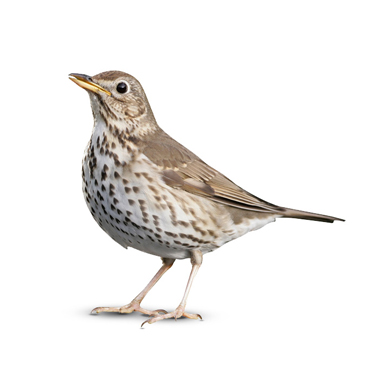
If you are squeamish you will not want to touch the slugs with your bare hands this will leave a slimy film over your fingers, try using a spade or trowel instead to scoop them up. Always try and water in the morning! This is because slugs and snails mainly come out at night when the soil is dark and moist if you were to change to watering in the morning, as the day goes on, the soggy patches have a chance to dry up, which the slugs don’t like and therefore will move into someone else’s garden! Attracting birds into your garden is always a good thing not only do they help to keep your bug population down they are pretty to watch as well.