How to control Aphids

Aphids suck the sap out of the stems of your plants and excrete a sweet honeydew on to the leaves/stem. They are one of the most common pests found in your garden. Also known as green or black fly. They come in many different colours from green, black, brown, pink and even purple with black spots ranging from 1mm to 5mm long. Clusters of them can be found on fresh young shoots, stems, flower heads and under/on foliage. They re-produce at a phenomenal rate, adult aphids can produce 5 young a day if the temperatures are right and those five, can then reproduce around five days after that!
Symptoms
Your plant could have stunted growth, curled leaves or you may see white/creamy scales on the foliage (picture left) or at the base of the plant. If the aphid population is high enough on one plant they could even kill it. If you see a trail of ants going up your plant (picture right) you will probably find Aphids at the end of it, the plant sugars that aphids excrete is a sweet honeydew which ants love! However it’s this honeydew that can cause mould on your foliage!
 Control
 If you only have a few of them they can be wiped off with your finger but keep a close eye on them returning. For an infestation you can either spray off with a hose and repeat as necessary or spray an insecticidal soap directly onto the aphids. Once the soap starts to dry the aphids will stick together forming a statue and therefore die of starvation! Sounds horrible I know, but it’s better than using a pesticide. Before spraying plants with soap, always test a small area before main application, as certain soaps can harm your plants.
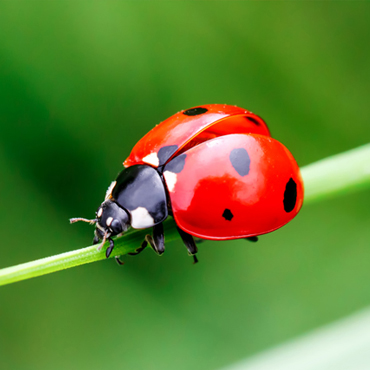
Ladybirds are nature’s way of dealing with aphids so if you do have an aphid infestation, you will find that they won’t be far behind so try and leave them alone.
Lacewings are another way of treating aphids and they are pretty cool to watch them do there stuff, they throw the aphid around in there mouth erratically before digesting them. You are purchase these and lady bird larvae from some garden centres and online, though they can be expensive.
Please note that you cannot use the soap after you have introduced the bios as this will kill them as well! Ants will try and protect your aphids from predators as they help produce a good food supply for them. If they think that particular plant is under threat or is becoming over populated they will transport them to a new plant! To overcome this you can put ant killing food around the base of the stem and stop them in their tracks. Sticky traps are also handy and will help catch any other bug hanging around!
Handy tip to help prevent aphids
Over feeding any plant will encourage new shoots to stretch and its these fresh young shoots that the aphids love. So, watch how much you are feeding your plants or use a slow release fertilizer to over come this. Never spray your plants on a very sunny day as this can scorch your plants.